


27.11.2023
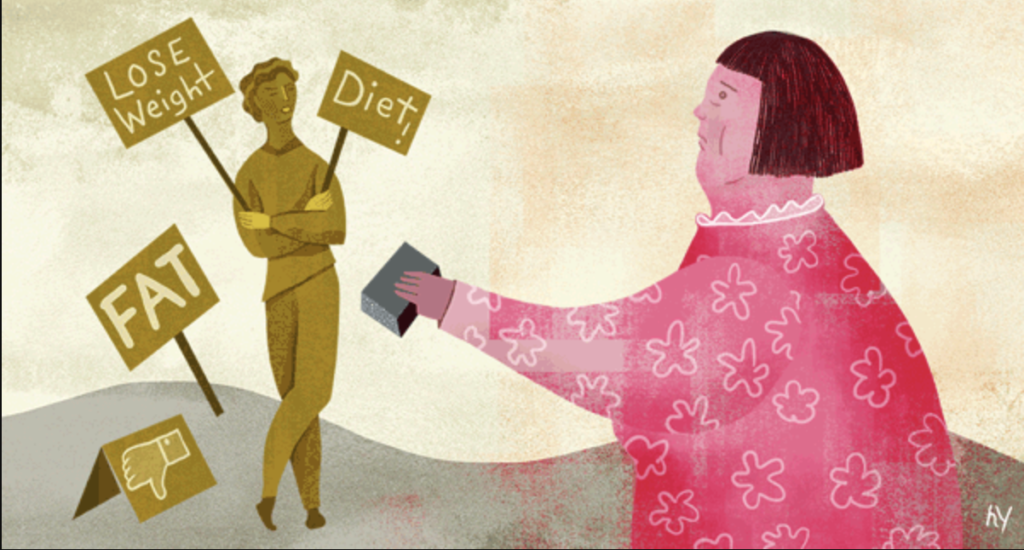
What is body shaming?
Body shaming is the act of subjecting individuals to inappropriate or negative comments regarding their body size or shape. It includes not only "fat shaming" but also making derogatory remarks about being underweight or specific body parts. Body shaming can be self-inflicted, where individuals judge themselves harshly based on their weight or appearance. Negative self-talk like "I feel so fat today" or "I need to stop overeating" is common. Body shaming can occur in person or through online platforms and can come from various sources, including family, friends, or even strangers. Even well-intentioned comments like asking about weight loss or suggesting dieting can contribute to body shaming. These comments can be hurtful and affect a person's self-esteem.
Social media platforms often place a strong emphasis on physical appearance, making it easy for hurtful comments and body shaming to occur. The message conveyed through social media is often centered on achieving the "perfect" body and concealing any perceived flaws. This can significantly influence an individual's body image and self-esteem. Body shaming on social media is a form of cyberbullying, but there are ways to combat it, cope with the emotional distress it causes, and rebuild one's self-worth.
Our culture, characterized by a focus on selfies and external beauty, inundates us with images of glamorous celebrities in various media outlets. Constant exposure to these images on platforms like TikTok, Facebook, and Instagram can lead to envy and heightened self-consciousness about one's physical appearance and perceived flaws. This fixation on outward appearance can create unrealistic expectations that are impossible to meet, even when individuals are aware that these images are digitally altered or enhanced. Comparing oneself or others unfavorably to these idealized images can be detrimental to one's self-worth and body image.

Body shaming in teens
Adolescents, in particular, are susceptible to body shaming, weight shaming, and appearance-based criticism. During the teenage years, one's beliefs and attitudes about body image and self-esteem are significantly influenced by family members, peers, and social media. For instance, a mother's negative self-talk about her own body or comments on her child's appearance can have a profound impact on how teenagers perceive themselves. Adolescents are naturally sensitive to comments about body shape, weight, and appearance, and weight-related bullying can lead to negative body perceptions and preoccupation with specific body features. Adolescents, both boys and girls, can be affected, with concerns ranging from body weight to muscularity, in relation to societal standards of beauty and masculinity.
Body shaming, whether from others or internalized, can lead to a range of unhealthy behaviors and mental health issues, such as eating disorders, body dysmorphic disorder (BDD), excessive exercising, anxiety, depression, and physical health problems. The pressure to conform to unrealistic beauty standards can cause individuals to feel inadequate and unworthy.
The first steps to protect oneself from body shaming involve stopping self-criticism and cultivating self-compassion. Prioritize your health over your physical appearance. Avoid isolating yourself and refrain from letting occasional bad days damage your self-esteem. Challenge the negative inner dialogue and treat yourself with kindness. Self-care is not selfish but essential for well-being. Manage stress through relaxation techniques like exercise, meditation, and deep breathing. Appreciate your body's functionality and the simple things it does for you, apart from appearance, and aim for a healthy body, independent of weight-related concerns and the pursuit of perfection.
Join our mailing list